Medical care for Afghanistan's most needy communities.
Through local teams and deep community relationships, Sadath Foundation delivers healthcare where others won't — at a fraction of the cost.
Effective humanitarian work in Afghanistan is still possible.
We're proving it.
Australians want to help Afghanistan. The hard part is doing it effectively. We've spent years building the local trust, clinical rigour, and operational model to make that possible — and the numbers show it's working.
The Gaps We're Closing
We are building towards four interconnected areas of impact, each chosen because the need is urgent and the opportunity is real.
Primary Medical Care
Basic medical care remains out of reach for millions of Afghans — particularly in rural and displaced communities. We aim to deliver professional primary healthcare through local teams trusted by the communities they serve.
Disaster Response
Afghanistan is acutely vulnerable to earthquakes, floods, and displacement. We are building the capacity to deploy rapidly when crisis strikes — with medical teams, local relationships, and processes that allow us to move within days.
Mental Health
The psychological toll of decades of conflict, displacement and loss is profound and largely unaddressed. We plan to develop community-based mental health support, including the training of local volunteers in Psychological First Aid.
Healthcare Training
Sustainable healthcare in Afghanistan depends on Afghans. We are committed to building local capacity — training community health workers and medical staff so that expertise stays in the communities that need it most.
Earthquake Response
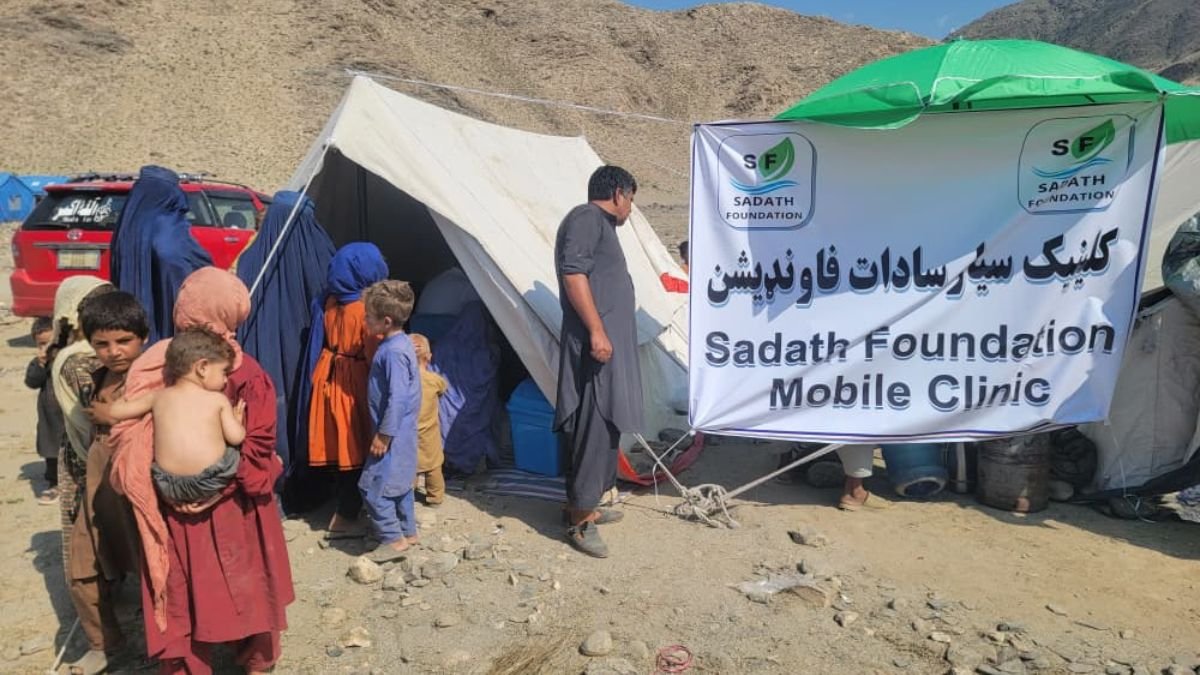
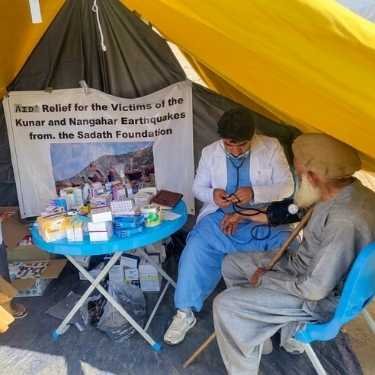
When a 6+ magnitude earthquake devastated eastern Afghanistan in August 2025, Sadath Foundation mobilised within days.
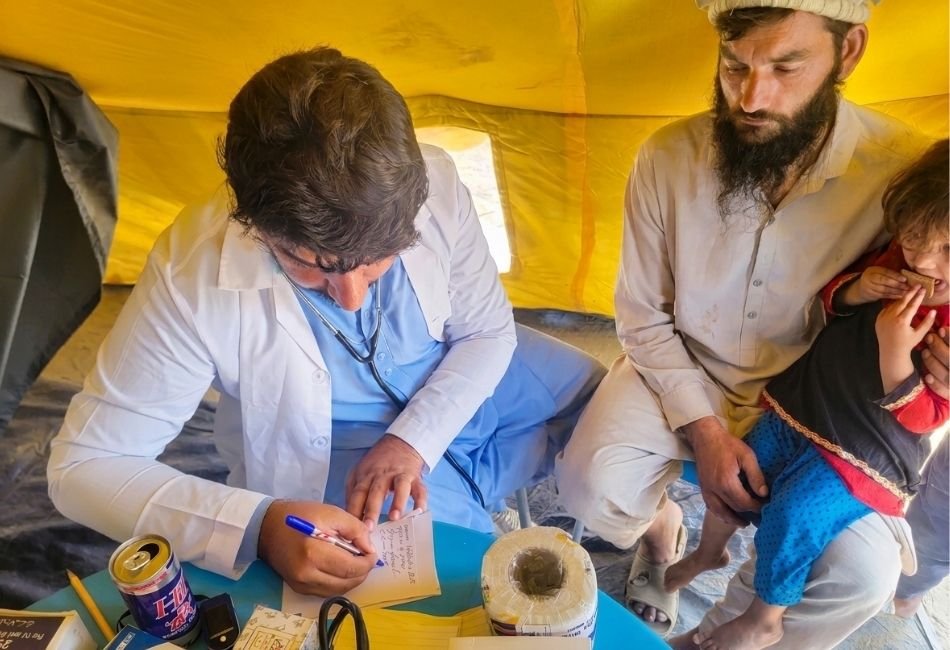
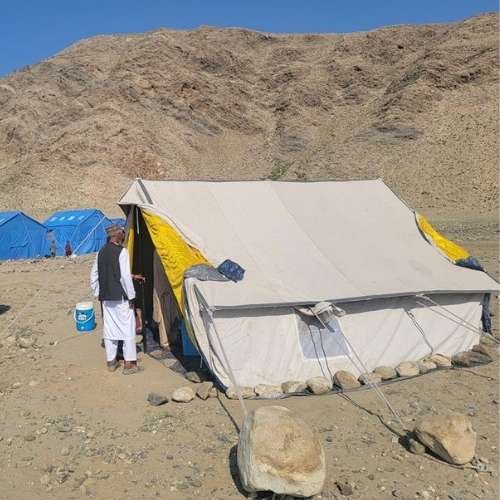
Our mobile medical clinic ran for thirteen days at the Zeri Baba displacement camp in Kunar province — staffed entirely by local medical professionals, who knew the community, language and culture.
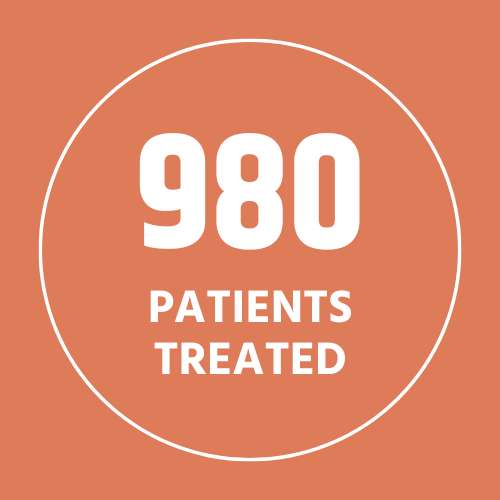
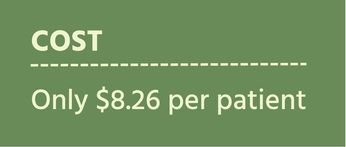
The team treated 980 patients a cost of just $8.26 each.
Sixty percent were women, in a region where access to female medical staff is rare and critical.


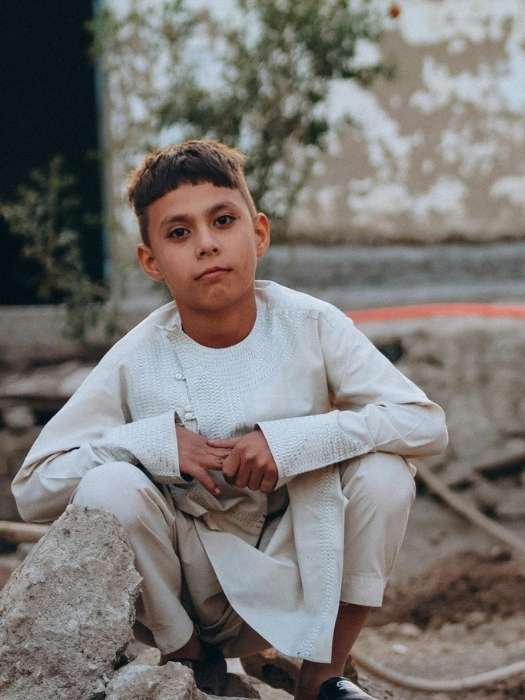
Ahmed, Kunar Province
When the 2025 earthquake struck, ten-year-old Ahmed's family lost everything in minutes. Like hundreds of families, they fled to Zeri Baba displacement camp — a tent, basic food, and little else.
As the weeks passed and the camp swelled, Ahmed fell seriously ill with gastroenteritis, while his younger sister Zahra developed a skin infection. Medical help was nowhere to be found.
Then the Sadath Foundation medical clinic arrived — staffed by local doctors who knew the community and spoke their language. Ahmed and Zahra were treated and recovered.
They weren't alone. The clinic went on to treat 978 more people displaced by the earthquake.
Name and photo changed for privacy.
The Sadath Foundation Difference
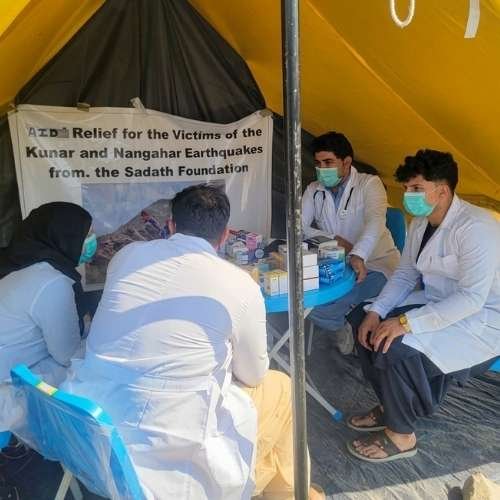
Staffed by Locals
Our medical teams aren't outsourced contractors or international volunteers — they're local men and women from the communities they serve.
They move faster, cost less, and are trusted in ways outside teams rarely are.
Where Others Can't Go
Founder Ishaq Sadath has spent decades working across Afghanistan's government, health, and business sectors.
When we coordinate with local authorities, we're not navigating bureaucracy cold — we're working with people who already know us by name.
Built To Move Fast.
We don't have layers of institutional process between a decision and its implementation.
When the Kunar earthquake struck, we were on the ground within days.
That responsiveness is something we'll preserve as we grow.
Rigorous By Design
Our medical work is led by a qualified Australian GP with direct experience of Afghanistan's health landscape.
We operate lean — local staffing and deep context mean we don't waste what you give us. And, as an Australian-registered charity, we report transparently on every dollar spent.
Join us in getting healthcare to those in Afghanistan who need it most.